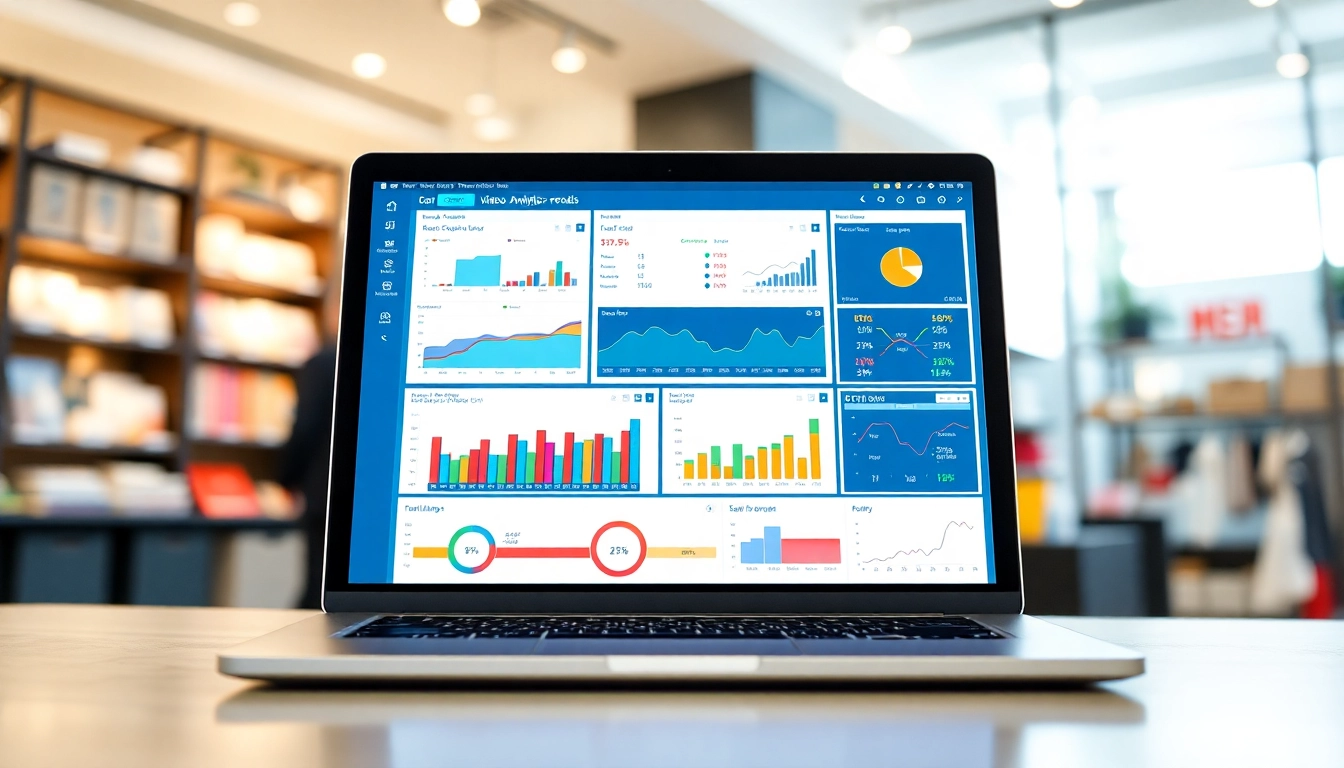
Understanding Retail Video Analytics
What is Retail Video Analytics?
Retail video analytics refers to the process of using video data captured by security cameras and other visual surveillance systems to gain insights into customer behavior and operational efficiencies. By utilizing advanced analytics and machine learning algorithms, retail video analytics transforms raw video data into actionable information, allowing retailers to make informed decisions that enhance in-store experiences and drive sales.
Key Benefits of Retail Video Analytics
The advantages of implementing retail video analytics are manifold. One of the primary benefits is its ability to improve operational efficiencies. Retailers can identify bottlenecks in service, optimize staff allocation, and reduce unnecessary costs. Additionally, retail video analytics can enhance the customer experience by providing insights into shopping patterns, preferences, and overall store layout. These factors contribute to a data-driven approach, allowing for timely adjustments that align with customer expectations.
How Retail Video Analytics Works
Retail video analytics operates through several key components. Initially, video data is captured through cameras placed strategically in the store. This data is then processed using software that employs algorithms to interpret the visual information. Some analytics systems can offer real-time data processing, while others may store data for later analysis. Insights generated can include foot traffic analysis, dwell times, heat maps, and customer demographics, allowing retailers to tailor their strategies effectively.
Implementing Retail Video Analytics Solutions
Selecting Suitable Technology
Selecting the right technology for retail video analytics involves considering several factors. First, assess the specific needs of the business, such as the size of the store, the number of cameras required, and the features necessary for effective analysis. Opt for systems that offer scalability, as retail locations may expand or change over time. Additionally, ensure the technology is compatible with existing security infrastructure to facilitate smoother integration.
Integrating Systems with Existing Infrastructure
Integrating retail video analytics systems with existing infrastructure is crucial for maximizing value. Start by conducting a thorough assessment of current systems, identifying potential overlaps or gaps in functionality. An ideal integration minimizes disruption and leverages the existing technology while enhancing capabilities. Collaboration with IT teams and consultants can ensure a cohesive strategy that aligns with broader business objectives.
Steps for Effective Setup and Deployment
To set up retail video analytics effectively, retailers should follow structured steps. Begin with a thorough planning phase that outlines goals, budget constraints, and the desired timeline. Next, proceed with the installation of hardware and software, ensuring proper placement of cameras for optimal coverage. Following installation, conduct a pilot testing phase to troubleshoot any issues and validate the effectiveness of the analytics. Finally, roll out the solution across the organization while providing training and support to staff.
Enhancing Customer Experience with Retail Video Analytics
Identifying Shopping Patterns and Trends
One of the most compelling uses of retail video analytics is identifying customer shopping patterns and trends. By analyzing data on foot traffic and dwell times, retailers can better understand how customers interact with their products and store layouts. This information helps retailers make strategic changes, such as product placements or promotional displays, to enhance the customer journey and boost sales.
Strategies for Improving Customer Engagement
Strategies to leverage retail video analytics for customer engagement include personalizing marketing efforts, optimizing store layouts, and enhancing staff training. For instance, insights drawn from customer interactions can inform signage placement and promotional strategies tailored to peak shopping times. Retailers can also train staff on insights derived from analytics, enabling them to provide more informed and engaging customer service.
Case Studies of Successful Implementations
Various retailers have successfully implemented retail video analytics to drive increased engagement and sales. For example, a leading clothing retailer used analytics to reposition its merchandise based on foot traffic patterns, resulting in a significant increase in sales. Similarly, a grocery chain analyzed customer flows to redesign its check-out processes, thereby minimizing wait times and improving customer satisfaction metrics.
Measuring the Impact of Retail Video Analytics
Key Performance Indicators to Monitor
To effectively measure the impact of retail video analytics, retailers should identify key performance indicators (KPIs) that align with their business goals. Common KPIs include conversion rates, average transaction value, and customer retention rates. Monitoring these metrics helps businesses gauge the effectiveness of their analytics and make necessary adjustments to strategies based on data insights.
Analyzing Data for Actionable Insights
Retailers can generate actionable insights from analytics data by employing a systematic approach. This includes segmenting the data by different demographics, time periods, or specific events. Using visualization tools can help in understanding complex data, revealing patterns that might not be immediately obvious. Ultimately, these insights inform strategic decision-making aimed at enhancing operational effectiveness and customer satisfaction.
Reporting for Stakeholders
Clear and concise reporting for stakeholders is essential to highlight the benefits of retail video analytics. Reports should include visual representations of data, such as graphs and charts, to communicate key findings effectively. Additionally, summarize insights and recommendations tailored to the interests of various stakeholders, ensuring each party understands the implications of the data presented.
Future Trends in Retail Video Analytics
Emerging Technologies in Retail Analytics
The landscape of retail video analytics is ever-evolving, with emerging technologies shaping future trends. Advancements in artificial intelligence (AI) and machine learning are enabling more sophisticated data analysis and predictions based on customer behavior. Moreover, cloud computing facilitates real-time processing of large data volumes, improving accessibility and collaboration among retail teams.
Preparing for Changes in Consumer Behavior
As consumer behaviors continue to shift, retailers must prepare to adapt their strategies accordingly. Retail video analytics provides valuable insights into these changes, enabling businesses to pivot quickly in response to market trends. Understanding variations in consumer preferences—especially in the wake of external factors—will empower retailers to tailor their product offerings and customer interactions effectively.
Long-term Benefits of Adopting Video Analytics
The long-term benefits of adopting retail video analytics extend beyond immediate sales increases. By fostering a culture of data-driven decision-making, retailers can enhance overall operational efficiencies, employee productivity, and customer loyalty. This approach not only positions businesses for sustainable growth but also encourages continuous innovation based on real-time feedback and insights.
Frequently Asked Questions
What is the primary function of retail video analytics?
Retail video analytics primarily functions to gather data from in-store cameras, analyzing shopper behavior to improve operations and customer experiences.
How does retail video analytics enhance security?
By analyzing video feeds and behaviors, retail video analytics can identify suspicious actions, helping to prevent theft and enhance store security.
What types of data does retail video analytics provide?
It provides insights such as customer traffic patterns, dwell times, and demographic information, allowing retailers to optimize layouts and marketing strategies.
Is it costly to implement retail video analytics?
The costs can vary, but investing in retail video analytics often pays off through improved sales and operational efficiencies, making it a worthwhile investment.
Can small retailers benefit from retail video analytics?
Yes, small retailers can leverage retail video analytics to understand their customers better and make data-driven decisions, enhancing their competitiveness.