Understanding Consumer Packaged Goods
Definition and Characteristics
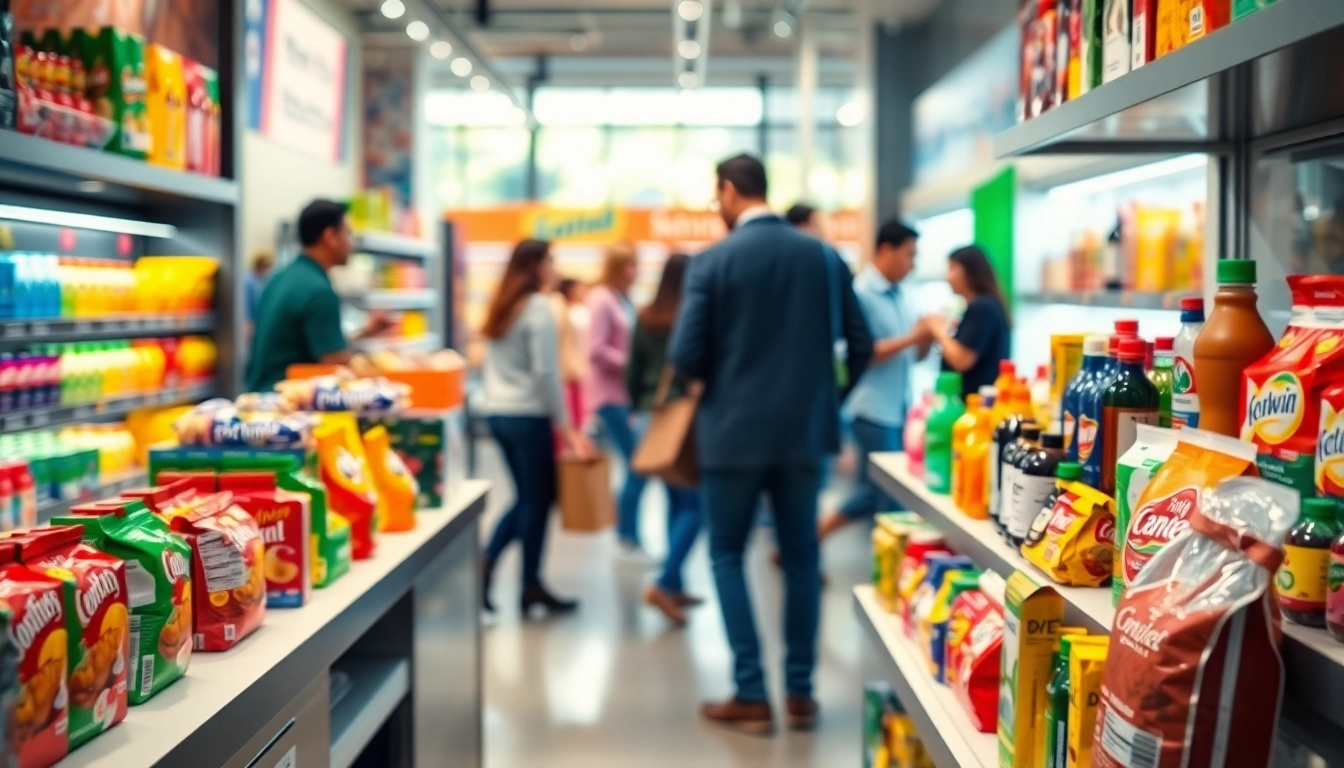
Consumer packaged goods, often abbreviated as CPG, are products that are sold quickly and at relatively low cost. These items are typically non-durable and are purchased frequently by consumers. CPG categories include packaged foods, beverages, personal care products, household cleaning products, and over-the-counter medications. The key characteristics of these products include their rapid turnover rate, a relatively low price point, and their essential role in everyday life. Consumers often repurchase these goods regularly, making them an integral part of the fast-moving consumer goods (FMCG) market.
Importance in Daily Life
Consumer packaged goods are vital in our daily routines, influencing our shopping habits and lifestyle choices. These products account for a significant portion of household expenditures, and their availability and accessibility can directly affect consumer convenience. Moreover, the diversity of options in this sector allows consumers to make choices aligned with their values, whether that be sustainability, health, or brand loyalty. Understanding consumer habits and preferences within this category can lead to better product offerings and enhanced customer experiences.
Market Overview
The consumer packaged goods sector is a dynamic and fast-evolving landscape, heavily shaped by changing consumer behaviors and technological innovations. According to industry analyses, the global CPG market is projected to see robust growth in the coming years, driven by increased demand for convenience, health-oriented products, and sustainable choices. Consumer packaged goods encompass a wide range of products available in supermarkets, convenience stores, and online platforms, cementing their role as fundamental components of the retail industry.
Trends in Consumer Packaged Goods
Sustainability Movements
As consumers increasingly prioritize environmental concerns, sustainability has become a crucial trend within the CPG sector. Brands are re-evaluating their production processes, packaging, and overall supply chain to minimize their ecological footprint. Initiatives such as reducing single-use plastics, sourcing sustainable materials, and implementing eco-friendly manufacturing practices resonate with a growing demographic of environmentally-conscious consumers. This trend is not just a response to consumer demand; it's also becoming a requisite for brands to remain competitive.
Health-Conscious Options
The significance of health in consumers' decision-making processes has never been more pronounced. As awareness around nutrition and health rises, CPG companies are adapting their product lines to feature healthier alternatives. Low-calorie foods, organic ingredients, and functional beverages designed to boost immunity or enhance well-being are examples of how the industry is responding to health trends. Brands that prioritize transparency in their ingredient sourcing and nutritional claims often gain a competitive edge.
Technological Innovations
Advancements in technology are revolutionizing the consumer packaged goods sector. From the implementation of artificial intelligence in supply chain management to the use of augmented reality in marketing, innovation is at the forefront of the industry. E-commerce has also transformed how consumers discover and purchase CPG products, with data analytics playing a significant role in understanding consumer preferences and customizing offers accordingly. Brands harnessing technology to engage with their customers more effectively are likely to see improved retention and sales performance.
Challenges Facing the Consumer Packaged Goods Industry
Supply Chain Disruptions
The global CPG industry faces persistent challenges concerning supply chain stability. Factors such as geopolitical tensions, natural disasters, and the ongoing impacts of global pandemics have introduced unpredictability into logistics and sourcing. Organizations must be proactive in developing contingency plans, diversifying suppliers, and investing in technology to enhance visibility across the supply chain. Transparency and agility will be paramount for brands looking to navigate these complexities effectively.
Consumer Behavior Changes
Consumer preferences can shift rapidly based on emerging trends, economic conditions, and societal changes. The pandemic, for instance, has led to altered shopping habits, as many consumers have embraced online shopping and sought comfort-oriented products. Brands must remain adaptable and engage in continuous market research to understand these evolving behaviors and meet consumer expectations effectively. Failure to do so can result in losing market share to more agile competitors.
Competitive Landscape
The consumer packaged goods market is highly competitive, with numerous brands vying for consumer attention. Innovation, customer loyalty, and effective marketing strategies play pivotal roles in achieving success. New entrants can disrupt established brands, which means that adaptability and responsiveness to market conditions are essential. Building strong brand identities and fostering community engagement through interactive marketing strategies can enhance loyalty and retention amid this competitive environment.
Marketing Strategies for Consumer Packaged Goods
Building Brand Loyalty
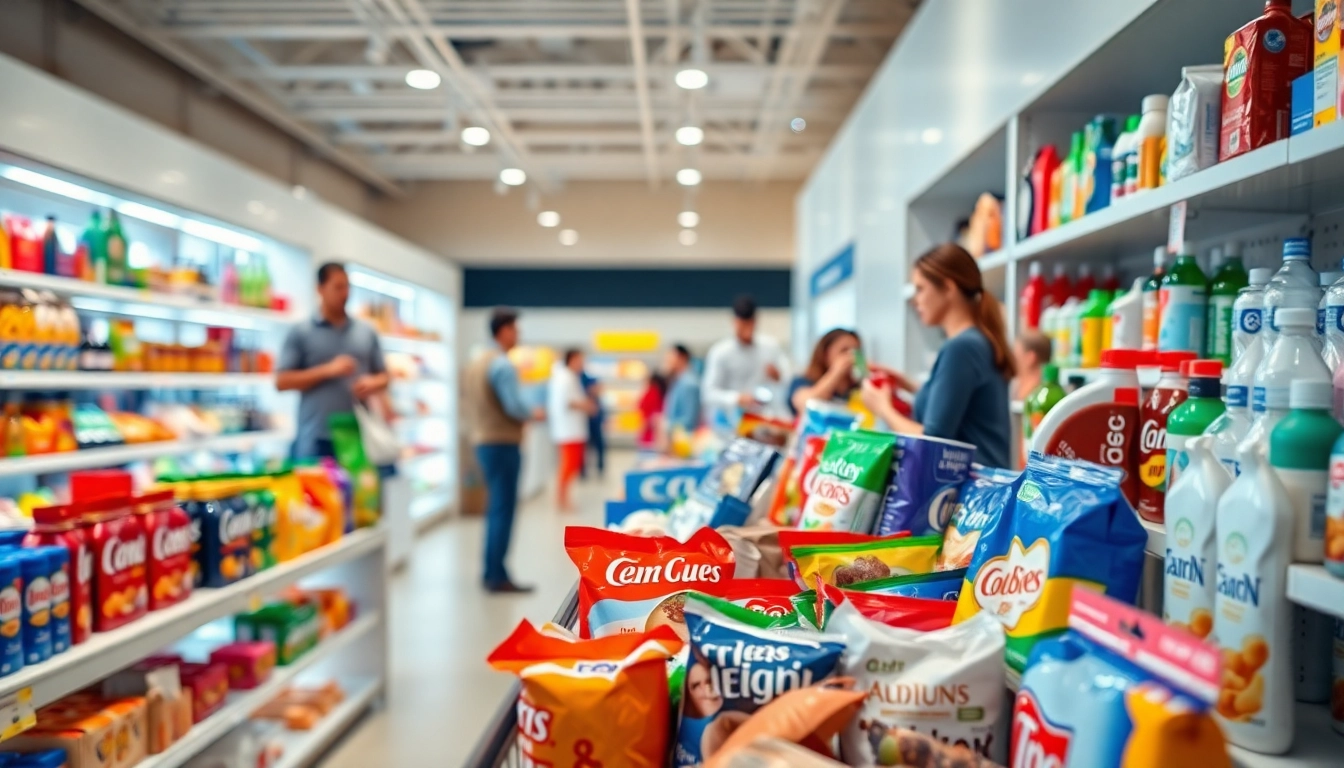
In a landscape characterized by extensive competition, cultivating brand loyalty is essential for long-term success. Strategies such as loyalty programs, exclusive member benefits, and responsive customer service can significantly enhance customer retention. Brands that foster authentic relationships with consumers, showcasing values that align with their target audience's interests, are more likely to create a loyal customer base willing to advocate for their products.
Utilizing Digital Platforms
With a significant portion of consumers engaging online, establishing a robust digital presence is crucial for brands in the CPG sector. Utilizing social media, search engine optimization, and email marketing enables brands to reach their audience effectively. Creating engaging and relevant content encourages interaction and fosters loyalty. Brands should also utilize data analytics to tailor their marketing efforts to the preferences and behaviors of their target demographics.
Engagement through Storytelling
Storytelling has emerged as a powerful tool in marketing consumer packaged goods. Brands that can effectively communicate their mission, values, and the benefits of their products through storytelling not only capture attention but also build emotional connections with consumers. Case studies or customer stories showcasing the impact of products can enhance the overall narrative and drive sales by reinforcing the value proposition.
Future Outlook for Consumer Packaged Goods
Adapting to Market Changes
The future for consumer packaged goods revolves around agility and adaptability. As consumers increasingly shift their preferences, brands must stay ahead of trends and adjust product offerings accordingly. Monitoring market dynamics and emerging consumer needs ensures that brands remain relevant and can capitalize on new opportunities. Additionally, investing in sustainable practices and aligning with consumers' social values will be critical to success in the evolving landscape.
Opportunities for Growth
Despite challenges, the consumer packaged goods sector is rife with opportunities for growth. The expansion of e-commerce, demand for personalized products, and growing interest in sustainability present avenues for brands to explore. Companies that actively engage with consumers and innovate their product lines will be better positioned to capture market share. Additionally, entering new markets and investing in diverse product offerings can spearhead growth initiatives.
Predicted Industry Innovations
Looking ahead, several innovations are likely to shape the CPG landscape. Developments in artificial intelligence for predictive analytics, sustainability advances in packaging solutions, and innovative supply chain technologies will redefine how brands operate. The role of data and insights in product development and marketing will continue to grow, granting brands a competitive edge in understanding and meeting consumer needs effectively.
Frequently Asked Questions
1. What are consumer packaged goods?
Consumer packaged goods are everyday items sold quickly at low costs, including food, beverages, and personal care products, characterized by high inventory turnover.
2. Why is sustainability important in CPG?
Sustainability in CPG is crucial as consumers increasingly prefer eco-friendly products. Brands adopting sustainable practices can build trust and enhance brand loyalty.
3. How do consumer preferences affect the CPG industry?
Consumer preferences influence product development, marketing strategies, and branding. Companies must adapt to changing tastes to remain competitive in the market.
4. What marketing strategies work best for CPG?
Effective marketing strategies in CPG include building brand loyalty through engagement, utilizing digital platforms for outreach, and enhancing customer connection through storytelling.
5. What future trends can we expect in consumer packaged goods?
Future trends in CPG will likely include personalized products, enhanced sustainability efforts, and advanced technology integration for supply chain and consumer engagement.