Understanding Pressure Vessel Design Basics
What is Pressure Vessel Design?
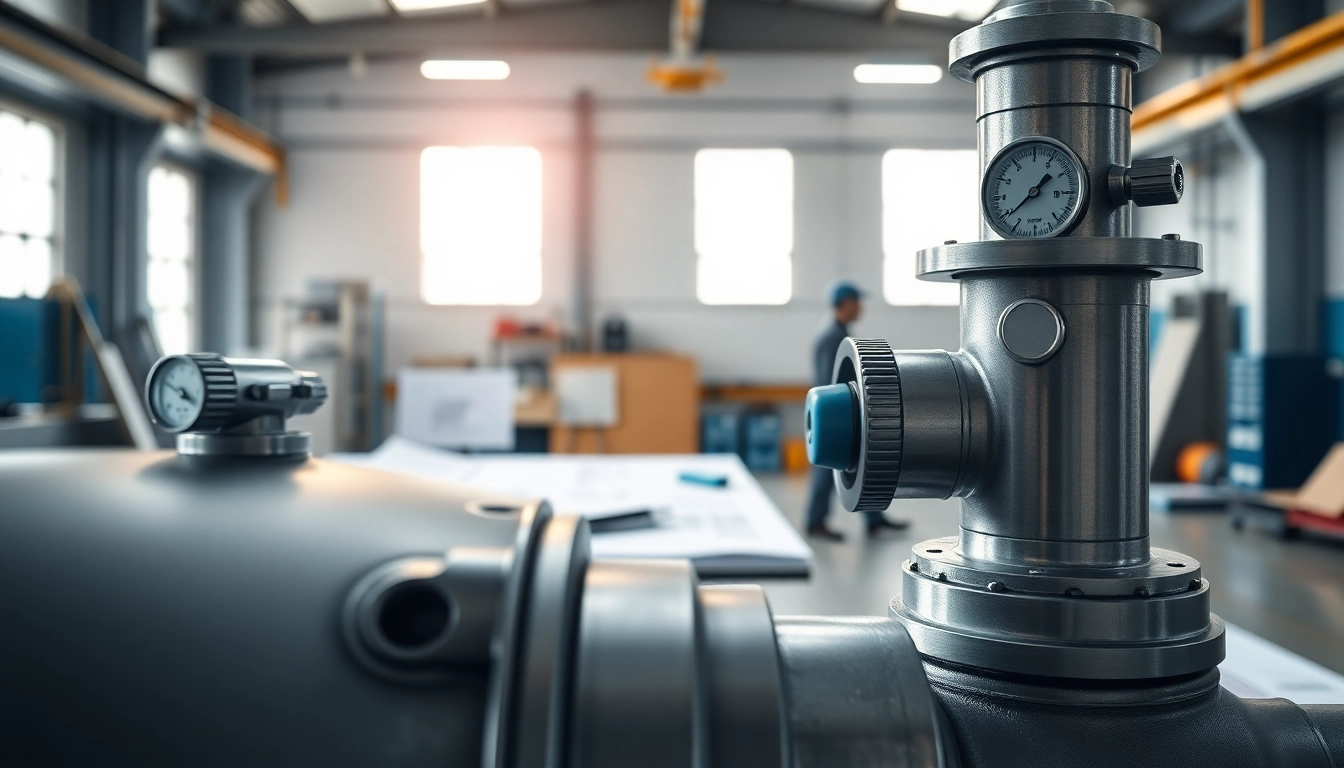
Pressure Vessel Design is the engineering discipline that focuses on creating secure and efficient storage solutions for pressurized fluids. Essential to industries such as oil and gas, chemicals, and power generation, these structures must adhere to strict safety and regulatory standards. The primary goal of pressure vessel design is to ensure that vessels can withstand internal pressures while safely containing the fluids or gases. Learning the fundamentals of Pressure Vessel Design is critical for engineers and safety professionals who want to ensure operational efficiency and safety protocols.
From the initial concept through production and testing, the design process involves numerous considerations, including material selection, structural integrity, and compliance with regulations. Pressure Vessel Design encompasses various shapes and configurations, ensuring versatility across applications.
Types of Pressure Vessels
Pressure vessels come in various shapes and sizes, allowing them to be tailored to different applications and environments. Common types include:
- Cylindrical Vessels: Typically used for transporting fluids, they can be oriented vertically or horizontally.
- Spherical Vessels: These offer the highest strength-to-weight ratio and are ideal for high-pressure applications.
- Conical Vessels: Used for separation and storage, facilitating the collection of sediments.
- Multi-Section Vessels: Designed for specialized operations, these can accommodate multiple functions within a single unit.
Fundamental Design Principles
The design of pressure vessels hinges on several core principles:
- Safety Factor: This ensures vessels can handle pressures that exceed the operational threshold, typically derived from material properties and historical performance data.
- Corrosion Allowance: Adequate allowances must be made for corrosion effects over a vessel's lifespan.
- Stress Analysis: Employing advanced analytical methods to determine stress distributions helps mitigate risks associated with mechanical failure.
- Thermal Considerations: Operating temperature extremes can affect material integrity, requiring calculations for thermal expansions and contractions.
Key Regulations and Standards in Pressure Vessel Design
Overview of ASME Code Compliance
The American Society of Mechanical Engineers (ASME) sets the standards that govern pressure vessel design, commonly known as the ASME Boiler and Pressure Vessel Code (BPVC). Ensuring compliance with these regulations is paramount as they cover the design, manufacturing, inspection, and maintenance processes necessary to safeguard against failures. Engineers must be well-versed in ASME standards to ensure that their designs not only meet but also exceed safety requirements.
Industry Safety Standards
Beyond ASME codes, industry-specific safety standards dictate additional design requirements. Organizations such as the Occupational Safety and Health Administration (OSHA) and the National Fire Protection Association (NFPA) propose safety regulations that often become statutory requirements in various industries. Understanding and implementing these standards is crucial for minimizing risks associated with system pressures and potential failures.
Importance of Regulatory Knowledge
Staying informed about changes in regulations and industry practices is vital for engineers working with pressure vessels. Regular training and updates from authoritative resources ensure that professionals are equipped to address potential hazards, enhance design efficiency, and ensure compliance with current laws.
Materials and Technologies in Pressure Vessel Design
Common Materials Used in Design
The selection of materials for pressure vessels is crucial, with common options including:
- Steel: Widely used due to its strength-to-weight ratio; variations like stainless steel provide corrosion resistance.
- Alloys: Specific combinations can enhance the vessel's ability to withstand harsh environments.
- Composites: Emerging materials such as carbon fiber composites offer lightweight and strength advantages with innovative design possibilities.
Innovative Technologies in Fabrication
The advancement of fabrication technologies has revolutionized the pressure vessel manufacturing process. Techniques such as:
- Welding Innovations: Automated and robotic welding provide precision and reduce labor costs.
- 3D Printing: Experimental for creating complex shapes that traditional methods cannot achieve efficiently.
- Non-Destructive Testing (NDT): Techniques such as ultrasonic testing and radiography allow for comprehensive integrity assessments without damaging the vessel.
Choosing the Right Material
Selecting suitable materials is a balance between factors such as tensile strength, corrosion resistance, and cost. Engineers often conduct material tests to assess performance metrics like yield strength and fatigue limit before finalizing choices. Moreover, compatibility with the stored substances and environmental conditions must be factored into the decision-making process.
The Design Process: Step-by-Step Guide
Initial Design Considerations
Upon initiating the design process, engineers must gather vital details concerning the operational requirements, including pressure, temperature, and chemical interactions. Preliminary calculations help establish size and shape, while considering the installation environment, including space constraints and accessibility for maintenance.
Calculating Pressures and Loads
Calculating operational parameters involves both static and dynamic pressure assessments. Using the principles of fluid mechanics, engineers analyze expected pressures during normal operation and any possible pressure surges due to system faults which helps inform decisions on wall thickness and reinforcement requirements.
Reviewing and Validating Designs
The final phase of the design process involves drafting detailed blueprints and validating them against ASME codes. Peer reviews and simulations can assist in identifying potential design flaws before fabrication. These steps are imperative to ensure that all specifications meet safety standards and functionality requirements.
Frequently Asked Questions about Pressure Vessel Design
What is the basic pressure vessel design?
A basic pressure vessel design typically features a cylindrical shape, often closed with two hemispherical endcaps, designed to withstand high internal pressures and maintain structural integrity.
Which software is used for pressure vessel design?
Software tools like CademPVD provide a comprehensive platform for pressure vessel design, integrating multiple design codes and offering features for analyzing structural integrity.
What is the design code for a pressure vessel?
Commonly followed design codes for pressure vessels include ASME Section VIII, which covers the design, construction, and inspection procedures necessary for safe operation.
How often should pressure vessels be inspected?
Inspection frequency generally depends on the vessel service conditions but typically occurs annually or biannually, including thorough assessments of structural integrity and compliance.
What are the common materials in pressure vessel design?
Common materials include carbon steel, stainless steel, and various alloys selected based on operational conditions, pressures, and corrosive environments to ensure durability.