Introduction to Pressure Vessel Design
Pressure vessel design is a crucial aspect of engineering that focuses on creating containers capable of holding gases or liquids at high pressures. These vessels are commonly used in various industries, including oil and gas, chemical, and nuclear. Due to the complexities involved in Pressure Vessel Design, understanding its fundamentals is essential for ensuring safety, efficiency, and compliance with regulations.
Understanding Pressure Vessel Basics
A pressure vessel can be simply defined as a closed container designed to hold gases or liquids at pressure levels substantially different from the ambient pressure. The construction of these vessels must account for several factors, including maximum allowable working pressure (MAWP), operating temperature, and the nature of the contained substance.
Common shapes for pressure vessels include cylindrical, spherical, and conical configurations, each chosen based on specific application needs and efficiency. The choice of shape influences the distribution of stress during operation, making it critical to consider in the design process.
Key Industry Applications
Pressure vessels are applied in various sectors, including:
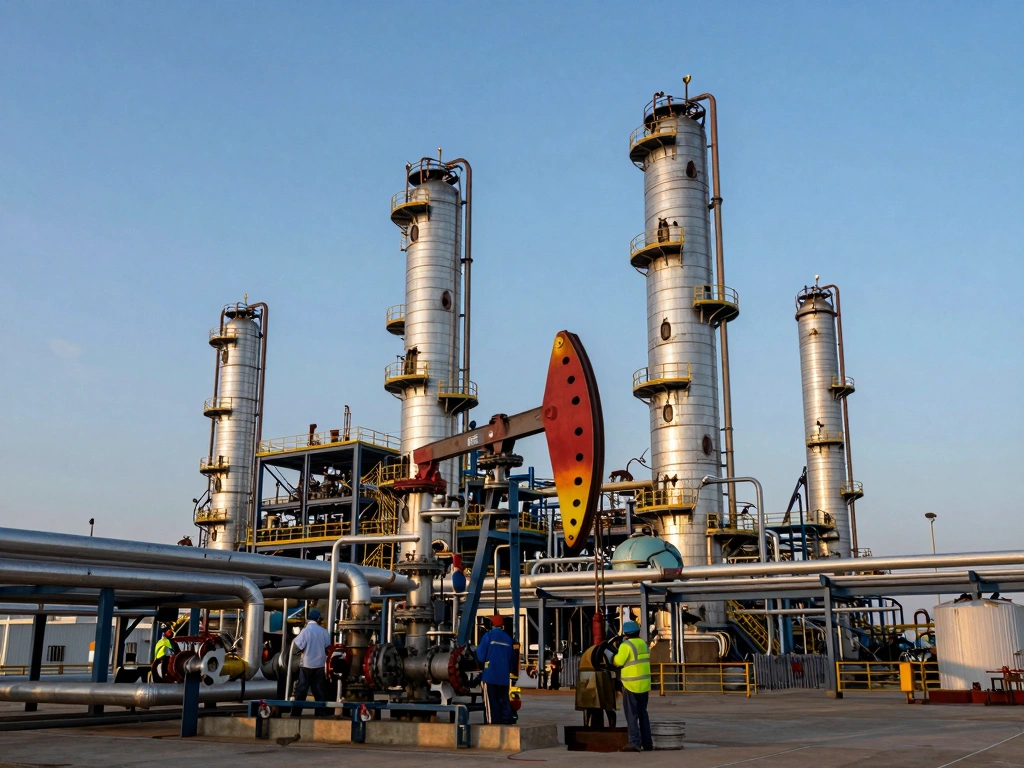
- Oil and Gas: For storage and transportation of crude oil, natural gas, and other hydrocarbons.
- Chemical Processing: Used to contain reactions at high pressures, ensuring safety and process efficiency.
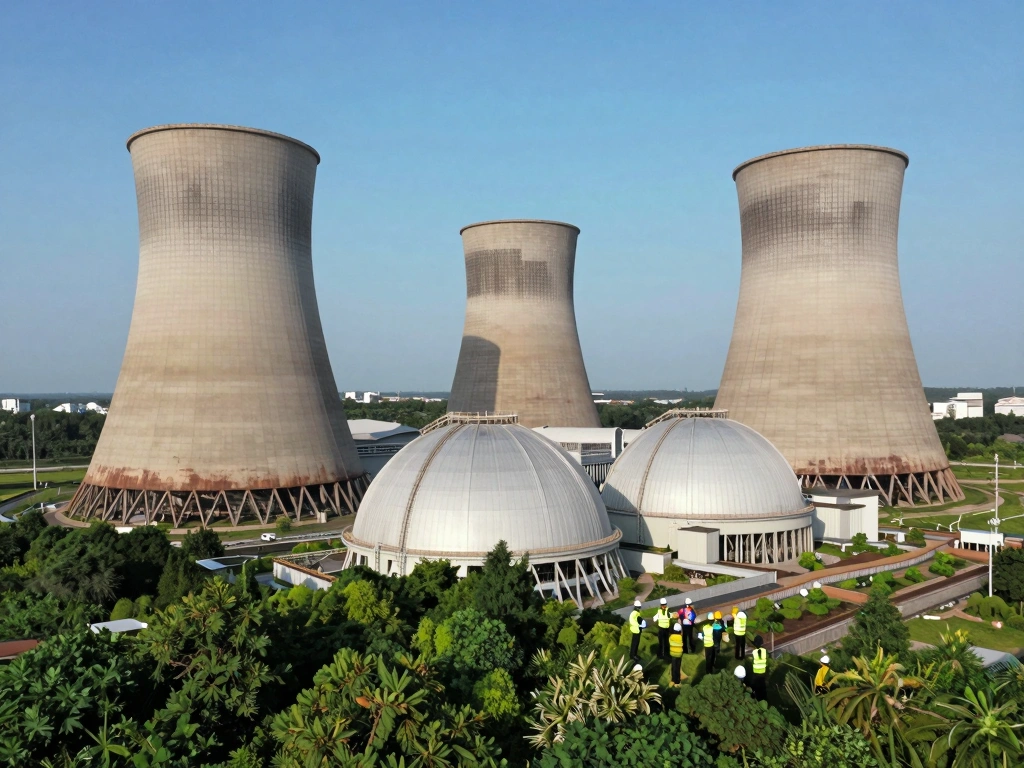
- Nuclear Energy: Houses reactor coolant in pressurized water reactors, essential for maintaining safe operating conditions.
- Pharmaceuticals: Sterilizes high-pressure steam and maintains chemical reactions under controlled conditions.
Importance of Safety and Compliance
Due to the hazardous nature of high-pressure operations, safety plays a paramount role in pressure vessel design. Engineers must adhere to stringent codes and standards, most notably the American Society of Mechanical Engineers (ASME) Boiler and Pressure Vessel Code (BPVC). Compliance with such standards ensures operational safety, minimizes risks, and protects both human life and the environment.
Core Concepts in Pressure Vessel Design
Pressure Vessel Shapes and Configurations
The shape of a pressure vessel directly affects its performance and safety characteristics. Cylindrical vessels are the most common due to their efficient stress distribution under pressure. Spherical vessels are often favored for their ability to withstand higher pressures with minimal material. The design must also consider the type of end caps, whether flat, hemispherical, or elliptical, as these influence the overall strength and integrity of the vessel.
Material Selection for Durability
Choosing the right materials is crucial for the longevity and durability of pressure vessels. Common materials include:
- Carbon Steel: Cost-effective and widely used, suitable for many standard applications.
- Stainless Steel: Offers excellent resistance to corrosion, making it ideal for chemical and pharmaceutical applications.
- Alloy Steels: Engineered for specific high-stress environments, providing durability under extreme conditions.
Moreover, factors such as temperature, pressure, and the corrosiveness of contained fluids must guide material choice to prevent premature failure.
Design Codes: ASME and More
The most referenced design standards are encapsulated in the ASME BPVC, which outlines various design methodologies and requirements for pressure vessels. Familiarity with these codes is critical for engineers involved in pressure vessel design, as they enforce guidelines for fabrication, materials, testing, and inspection. Other codes like the International Organization for Standardization (ISO) and specific local regulations may also apply, depending on geographic location and industry.
The Design Process: From Concept to Completion
Blueprint Development and Prototyping
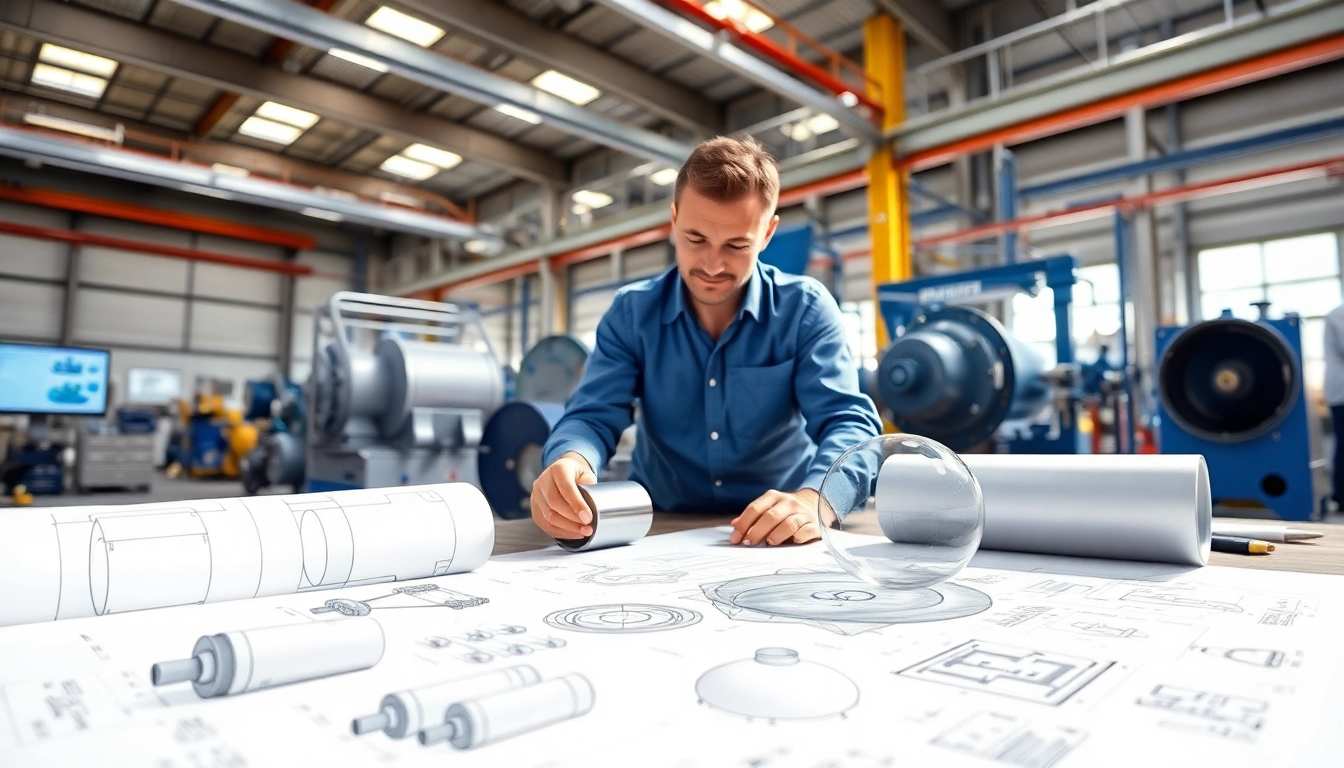
The design process begins with the development of detailed blueprints, converting concept ideas into precise engineering drawings. This phase includes calculations for sizing, pressure ratings, and other critical parameters. Prototyping may occur to evaluate initial designs, allowing engineers to identify potential issues before full-scale manufacturing.
Utilizing CAD Software in Design
State-of-the-art computer-aided design (CAD) software plays a vital role in optimizing pressure vessel design. CAD tools enable enhanced visualization of designs, facilitate simulations to predict performance under various conditions, and ensure compliance with regulations. The integration of 3D modeling allows for better accuracy and quicker iterations during the design phase.
Common Challenges in Pressure Vessel Design
Designing pressure vessels is not without its challenges, including:
- Material Limitations: Understanding the mechanical properties of materials can be complex, especially under extreme conditions.
- Regulatory Compliance: Navigating through various local and international standards requires diligence and expertise.
- Cost Management: Balancing design integrity with budget constraints is often a daunting but necessary task.
Effective project management, continuous training, and technology investment can help overcome these hurdles.
Testing and Validation in Pressure Vessel Design
Pressure Testing Methods
Once constructed, pressure vessels must undergo rigorous testing to ensure safety and operational integrity. Common testing methods include:
- Hydrostatic Testing: Involves filling the vessel with liquid and increasing pressure to verify its strength and seal integrity.
- Pneumatic Testing: Uses air or gas, although this method is riskier due to potential energy release if a rupture occurs.
Validation Against Standards
Once testing is complete, results are compared against established standards. Validation ensures that the vessel not only meets but exceeds safety requirements set by governing bodies like ASME. Proper documentation of tests, inspections, and maintenance is vital for compliance and operational readiness.
Ensuring Operational Safety
Ongoing monitoring and inspections post-installation safeguard against failures. Engineers must implement regular maintenance protocols to inspect for leaks, corrosion, and other structural issues. Utilizing sensors to monitor internal conditions can allow for predictive maintenance, enhancing vessel longevity and safety.
Future Trends in Pressure Vessel Design
Innovations in Materials and Technology
The future of pressure vessel design is leaning heavily towards the use of advanced materials that provide increased strength-to-weight ratios and better resistance to corrosion and high temperatures. Innovations in composite materials and coatings are already in development, aimed at achieving these goals. Furthermore, advancements in the manufacturing process, such as additive manufacturing (3D printing), are expected to revolutionize pressure vessel designs, allowing for complex geometries and rapid prototyping.
Impact of Sustainability on Design Choices
Environmental sustainability is becoming an essential factor in pressure vessel design. Companies aim to reduce their carbon footprints by selecting eco-friendly materials, optimizing energy consumption during production, and designing for recyclability at the end-of-life. Incorporating sustainability principles not only appeals to modern consumers but can also lead to cost savings over time.
Regulatory Changes on Design Practices
As industries evolve, so do regulatory landscapes. Future design practices may need to adapt to emerging regulations addressing environmental standards, materials requirements, and safety protocols. Staying informed about changing regulations is crucial for engineers and companies to navigate compliance efficiently and mitigate legal risks.
Frequently Asked Questions about Pressure Vessel Design
What is the basic pressure vessel design?
A pressure vessel is typically cylindrical, capped with hemispherical ends. The design depends on the operating conditions and the required safety factors.
What is the rule 19 for pressure vessels?
Rule 19 pertains to periodic testing to ensure structural integrity and safety of pressure vessels, especially those transporting pressurized materials.
Which software is used for pressure vessel design?
CAD software like AutoCAD, SolidWorks, and specialized vessel design software is commonly used for creating and analyzing pressure vessel designs.
What is the design code for a pressure vessel?
ASME Section VIII is a globally recognized standard for pressure vessel design, ensuring safety and reliability across various industries.
How can I ensure pressure vessel safety?
Regular maintenance, compliance with standards, and rigorous testing are essential to ensuring the safety and longevity of pressure vessels.