Understanding the Basics of Genie Lift
In the world of construction, maintenance, and various aerial tasks, the genie lift has become an essential piece of equipment. Serving both urban and rural projects, these lifts offer versatility and efficiency in reaching high places with ease. Understanding the fundamentals of genie lifts is crucial for maximizing their potential on the job site.
What is a Genie Lift?
A genie lift refers to a brand of aerial lift equipment designed for elevating personnel and materials to significant heights. Typically, these lifts allow access to hard-to-reach areas on construction sites, in warehouses, and during maintenance operations. The genie lift is engineered for stability and safety while promoting productivity in various applications.
Types of Genie Lifts Available
Genie lifts are available in several types, each serving different operational needs:
- Boom Lifts: These lifts come in two configurations - articulating and telescopic. They allow operators to reach above obstacles effectively.
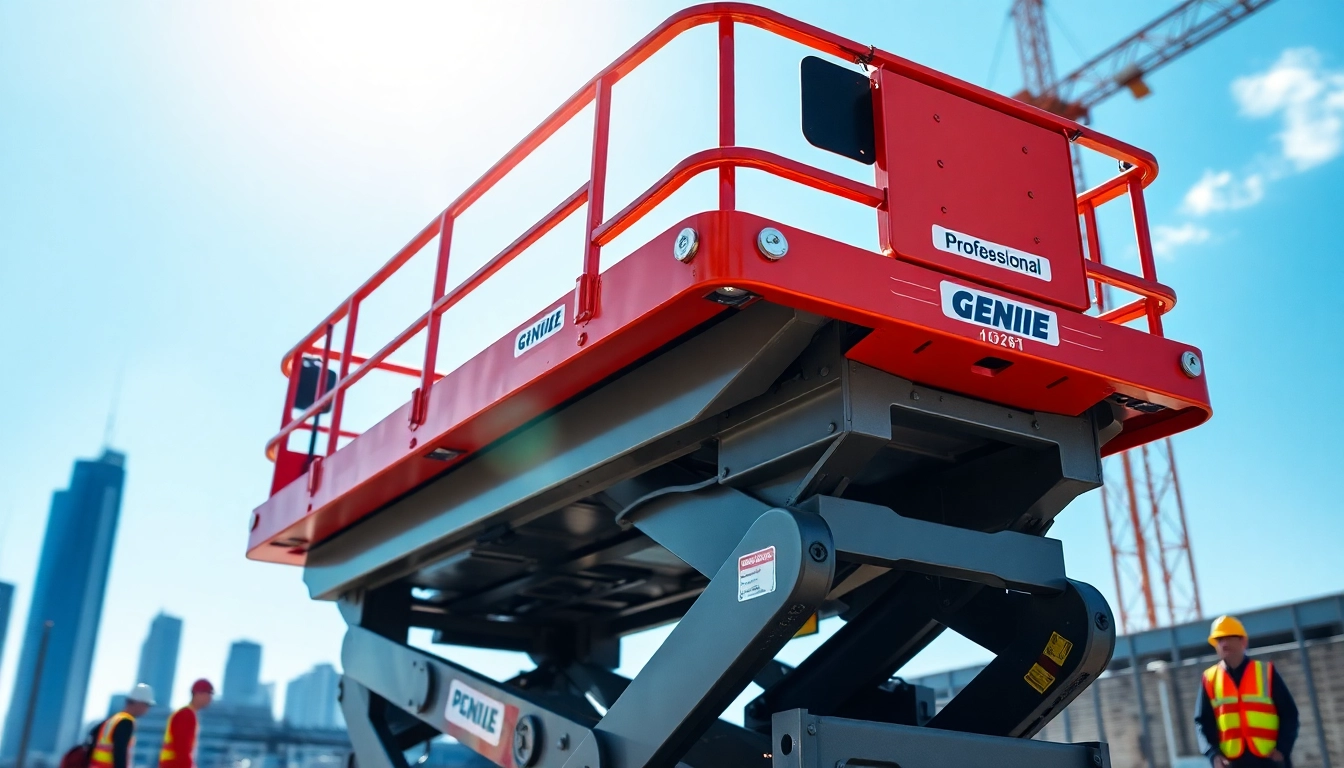
- Scissor Lifts: Known for their vertical lifting capability, scissor lifts are ideal for tasks requiring extended platform space at height.
- Telehandlers: Offering both lift and material handling functions, telehandlers are versatile machines for construction and agricultural applications.
Key Features and Benefits of Genie Lifts
Genie lifts are equipped with numerous features that make them a preferred choice among contractors and facility managers:
- Sturdy Design: Built for durability, these lifts can withstand rigorous site conditions.
- Pintle Hooks: Certain models come with hooks for moving other equipment.
- Advanced Safety Features: Safety systems such as overload sensors help prevent accidents.
- Easy-to-Use Controls: Operator-friendly interfaces allow for smooth functioning, maximizing productivity.
Preparing to Use a Genie Lift
Before operating a genie lift, preparation is essential to ensure safe and efficient use. Proper planning leads not only to the safety of the operator but also to the success of the lift's functionality.
Safety Precautions Before Operation
Understanding and implementing safety precautions is paramount:
- Always review the manufacturer's operational manual before use.
- Conduct a thorough inspection of the lift before every use, checking for mechanical issues or damages.
- Ensure that the worksite is clear of obstructions and hazardous conditions.
- Wear appropriate personal protective equipment (PPE) such as hard hats and safety harnesses.
Required Training and Certifications
Operators should undergo adequate training to handle genie lifts. This training can include:
- Hands-on training with experienced operators.
- Safety seminars that emphasize best practices and regulations.
- Certification programs that provide formal recognition of competency.
Inspection Checklist for Genie Lifts
Before each use, operators should follow a checklist for inspecting the genie lift:
- Check for any visible damages.
- Examine hydraulic systems for leaks or malfunctions.
- Ensure all safety features are operational.
- Test controls and indicators before starting the lift.
Operating a Genie Lift Efficiently
Once the genie lift is prepared and inspected, understanding how to operate it efficiently is crucial. Effective operation leads to enhanced productivity and reduced risk of accidents.
Basic Controls and Functions Explained
Most genie lifts come equipped with a straightforward control panel consisting of various functions:
- Lift Controls: Typically operated by joysticks that allow for vertical and horizontal movement.
- Emergency Stop: A critical feature that immediately ceases operation in case of emergencies.
- Drive System: Controls for forward and backward movement of the lift.
Best Practices for Maneuvering
To maneuver genie lifts effectively, operators should:
- Maintain awareness of surroundings, especially near hazards.
- Use available guardrails to ensure safety when working at height.
- Move at slow speeds, especially when navigating tight spaces.
Common Mistakes to Avoid While Operating
To maximize the safety and efficiency of using a genie lift, avoid the following common pitfalls:
- Neglecting proper safety checks and not using PPE.
- Overloading the lift beyond its specified weight capacity.
- Ignoring the importance of training and not understanding controls.
Maintenance and Troubleshooting
Regular maintenance and troubleshooting practices are essential for extending the lifespan and performance of genie lifts.
Regular Maintenance for Longevity
To keep a genie lift in prime working condition, implement a routine maintenance schedule:
- Inspect and service hydraulic systems.
- Conduct regular cleaning to keep parts free of debris.
- Check battery health and charging systems, especially for electric lifts.
Identifying Common Issues
Operators should be familiar with common problems that may arise. These can include:
- Failure to lift or lower properly, often linked to hydraulic issues.
- Strange noises during operation, indicative of mechanical failures.
- Electrical malfunctions affecting controls and displays.
Steps for Troubleshooting Genie Lifts
When troubleshooting, it's essential to follow a systematic approach:
- Document the issue before attempting any repairs.
- Consult the manufacturer's troubleshooting guide for potential solutions.
- Perform basic checks (e.g., battery status, fluid levels) before deeper diagnostics.
Frequently Asked Questions about Genie Lift
What is the maximum weight a genie lift can handle?
The maximum weight capacity of a genie lift can vary significantly based on the model. Commonly, capacities range from 500 lbs to 2,500 lbs.
How often should I inspect my genie lift?
It is recommended that a genie lift be inspected before each use and undergo a detailed inspection at regular intervals as specified in the user manual.
What training is required to operate a genie lift?
Operators typically need to complete safety training and specific certifications that cover both theoretical and practical operational aspects of genie lifts.
Can genie lifts be used on uneven terrain?
Most genie lifts are designed for smooth surfaces; however, rough terrain models are optimized for uneven grounds. It's crucial to check specifications before use.
How do I transport a genie lift safely?
Transporting a genie lift safely involves securing it on a flatbed truck or trailer, following weight restrictions, and ensuring stability during transit.