Understanding the Role of a Real Estate Photographer
The world of real estate is highly competitive, where the presentation of a property can significantly influence its marketability. At the center of this presentation is the Real Estate Photographer, whose expertise lies in creating striking visual content that captures the essence of a property. From showcasing architectural beauty to highlighting property features, the role of a real estate photographer is multifaceted and indispensable for successful listings.
Importance of Real Estate Photography
Real estate photography is crucial because it plays a significant role in attracting potential buyers and can expedite the sale process. According to numerous studies, listings that feature high-quality photographs are viewed far more frequently than those that do not. The visual storytelling in real estate photography can evoke emotional responses, allowing potential buyers to envision their future in the property, thereby increasing the likelihood of a sale.
Key Skills of a Real Estate Photographer
A successful real estate photographer must possess a combination of technical and experiential skills:
- Technical Photography Skills: Proficiency with cameras, lenses, and lighting equipment is essential.
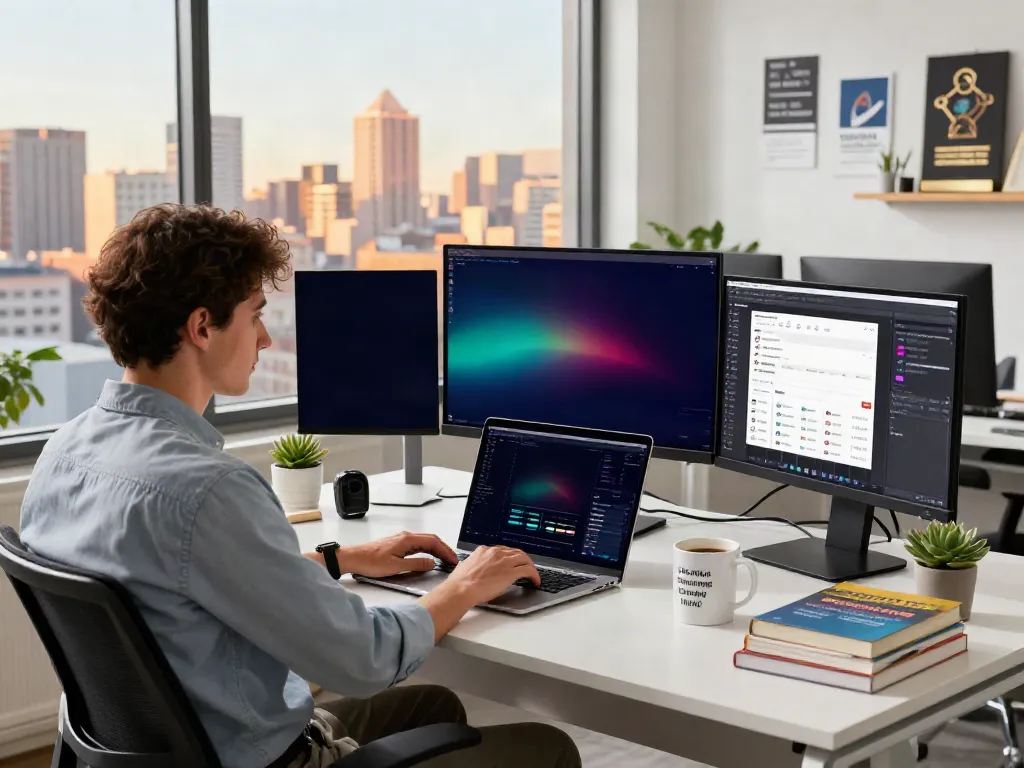
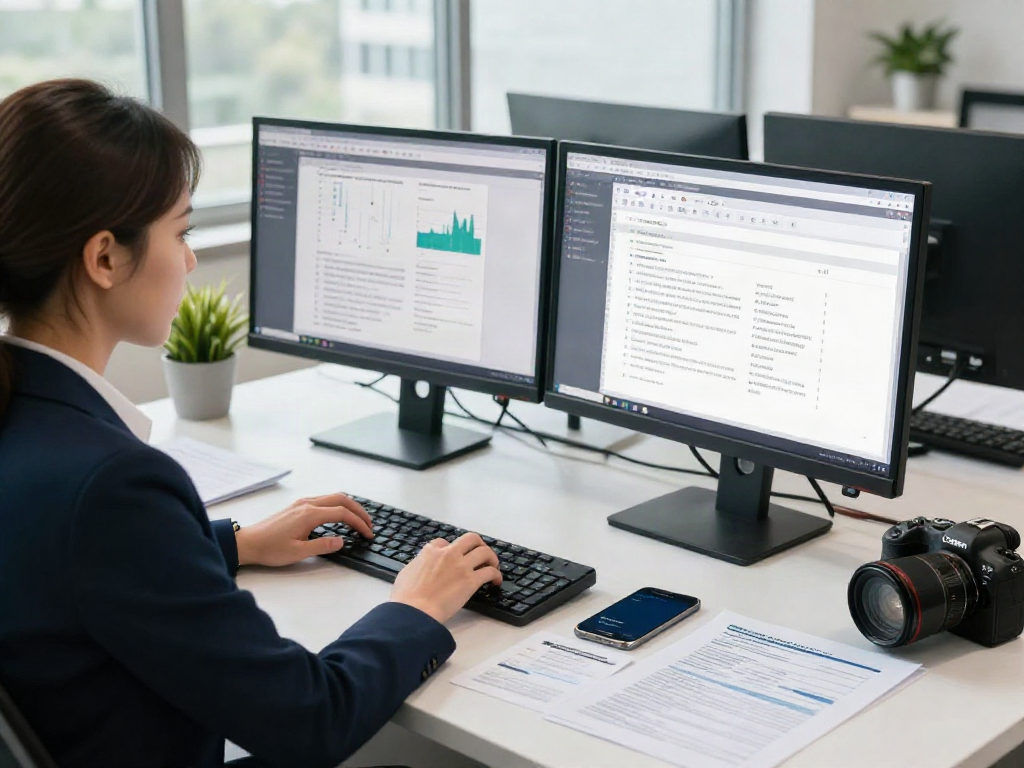
- Post-Processing Expertise: Knowledge of editing software like Adobe Lightroom and Photoshop is crucial for enhancing images.
- Communication Skills: Ability to understand client needs and collaborate effectively with real estate agents and property owners.
- Attention to Detail: Noticing small details can make the difference between a good photo and a great one.
Common Types of Real Estate Photography
Real estate photography encompasses various styles that cater to different property types and marketing strategies:
- Interior Photography: Focus on capturing the inside of homes, showcasing layouts and features.
- Exterior Photography: Highlight the architecture and landscaping of a property.
- Aerial Photography: Utilizes drones to capture stunning overhead shots, providing context for the property’s location.
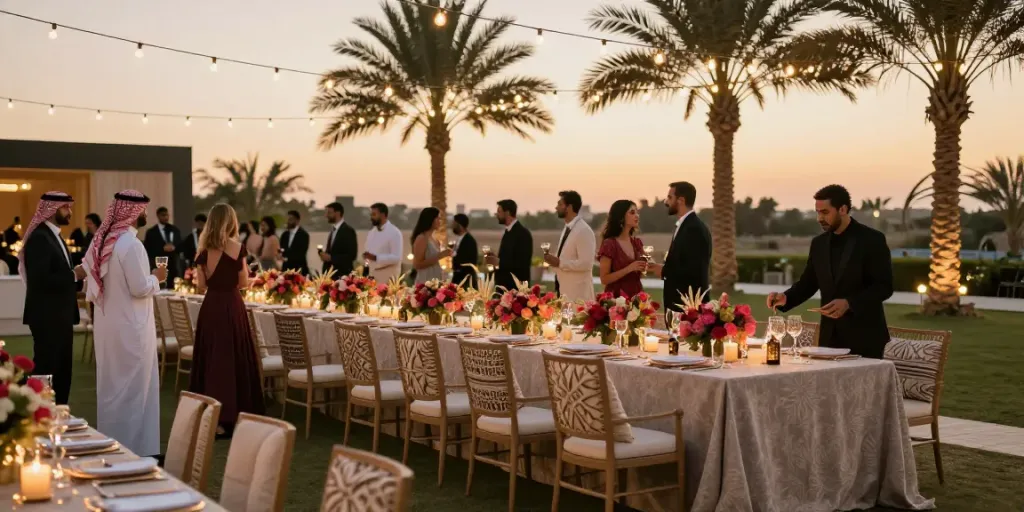
- Twilight Photography: Taken during dusk to create a warm, inviting atmosphere.
- 3D Virtual Tours: Interactive experiences that allow potential buyers to explore the property remotely.
Essential Equipment for Real Estate Photography
Camera and Lenses
The backbone of any photographer's toolkit is the camera. Full-frame DSLRs or high-end mirrorless cameras are recommended for their superior image quality and performance. Lenses play a critical role in real estate photography; wide-angle lenses (14mm to 24mm) are often used to capture expansive interior spaces effectively. A tilt-shift lens can also be beneficial for architecture and eliminating distortion.
Lighting Tools
Natural lighting is ideal for real estate photography, but supplemental lighting can help illuminate darker spaces or enhance architectural details. Speedlights and LED panels can be strategically placed to create a balanced lighting environment, allowing for crisp and clear images.
Post-Processing Software
After the shoot, post-processing offers the opportunity to elevate images from good to extraordinary. Adobe Lightroom is often used for color correction and exposure adjustments, while Photoshop is perfect for advanced manipulation, such as removing distractions and enhancing details.
Techniques for Stunning Property Shots
Composition and Framing
Understanding composition is critical for creating engaging real estate photographs. Techniques such as the rule of thirds can help balance a frame and draw the viewer’s eye. It’s essential to use leading lines and symmetry, which can add depth and interest to photos, guiding the viewer through the image and emphasizing key features.
Lighting and Timing
The time of day dramatically affects the lighting and mood of a photograph. Golden hour—shortly after sunrise or before sunset—provides soft, flattering light that enhances colors and reduces harsh shadows. For interiors, it's best to shoot when there is good natural light coming in through windows, while also being mindful of avoiding overexposed areas.
Styling Homes for Photographs
Properly staging a home is crucial for creating inviting, memorable images. Simple tips include decluttering spaces, arranging furniture for optimal flow, and adding decorative touches that illustrate potential use of space. It’s also beneficial to create a sense of warmth with subtle accents like fresh flowers or strategically placed lighting that highlights features.
Marketing Your Real Estate Photography Business
Building an Online Portfolio
An impressive online portfolio is key to attracting clients and showcasing your skills. Select your best work, ensuring that a diverse range of styles and properties is represented. High-resolution images, organized by category, will give potential clients a clear sense of your photography style and capabilities. Additionally, consider including testimonials from satisfied clients to bolster credibility.
Social Media Strategies
Platforms like Instagram and Facebook can be invaluable for marketing. Visual platforms are natural fits for photographers—make the most of them by sharing high-quality images of your work, posting behind-the-scenes content, and engaging with users through comments and stories. Use hashtags strategically to reach target audiences, including those interested in real estate.
Networking with Real Estate Agents
Building solid relationships with real estate agents is essential for gaining referrals and establishing your reputation in the industry. Attend local real estate events, collaborate with agents on projects, and offer to photograph open houses to demonstrate your skills. Consider creating packages that cater specifically to agents, enhancing the value of your services.
FAQs About Real Estate Photography
What should I look for in a Real Estate Photographer?
Focus on their portfolio quality, experience, and ability to understand your property's unique features. Good communication skills and quick turnaround times are also important.
Do I need to stage my home for real estate photography?
While it's not mandatory, staging helps present the home at its best, making it more appealing to potential buyers. Small adjustments can have significant impacts.
How much does a Real Estate Photographer cost?
Costs vary widely based on experience, location, and specific services offered. Average rates can range from $150 to $500 for single-property shoots depending on various factors.
Can I take photos of my property myself?
Yes, but professional photographers have the experience and equipment to capture high-quality images that can significantly impact buyer interest.
What are the best times to take property photos?
Golden hour, shortly after sunrise or before sunset, provides the most flattering light. For interiors, mid-morning or late afternoon when there's plenty of natural light is ideal.