Understanding the Importance of Play
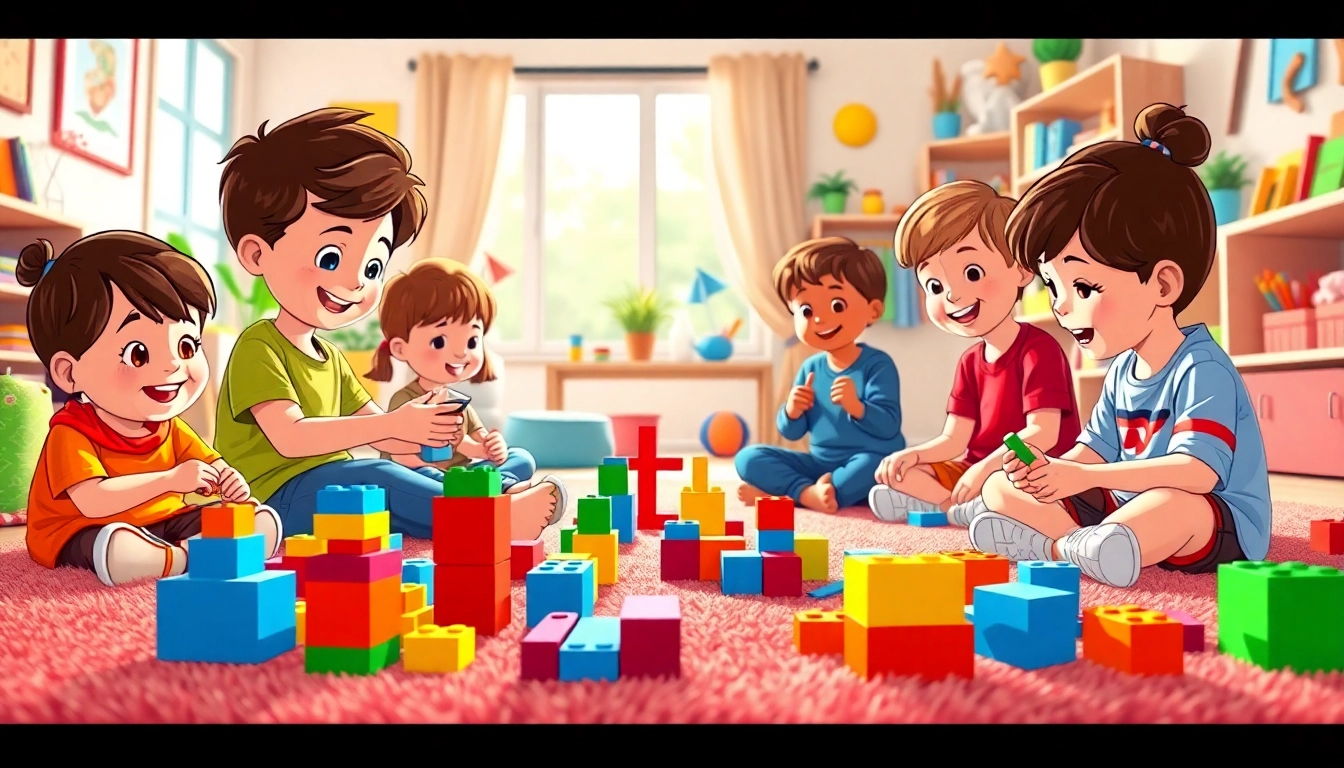
Play is not merely a leisure activity for children; it is a crucial component of healthy development. Through play, children explore their world, express their emotions, and cultivate key skills that will support them throughout their lives. As parents and caregivers, it is vital to recognize the significant role of play in nurturing creativity, problem-solving abilities, and social interactions.
The Role of Screen-Free Toys
In an era dominated by digital devices, screen-free toys are an essential resource for stimulating children's imagination and encouraging physical activity. These toys provide hands-on engagement, allowing kids to manipulate, explore, and create without the distractions associated with screens. By prioritizing screen-free options, parents can enhance their children's play experiences in meaningful ways.
Benefits of Unplugged Playtime
Unplugged playtime encourages children to engage their senses and utilize their imagination. Benefits include:
- Improved Cognitive Skills: Unplugged play often involves problem-solving, which enhances cognitive development.
- Physical Activity: Engaging with non-digital toys encourages movement, coordination, and fine motor skills.
- Social Interaction: Group play fosters communication and teamwork, vital for developing social skills.
How Play Enhances Development
Play is a critical factor in child development, impacting physical, emotional, and cognitive domains. Through active exploration and interaction with their surroundings, children learn about cause and effect, develop emotional resilience, and cultivate creativity. This multi-faceted engagement contributes to their overall growth and well-being.
Top Screen-Free Toy Recommendations
With so many options available, selecting the right screen-free toys for your child can be challenging. Here, we've compiled a list of top recommendations in various categories to inspire your choices.
Building Toys for Young Minds
Building toys foster imagination and spatial awareness, making them a staple for young minds. Recommended toys include:
- Blocks: Classic wooden blocks enhance creativity and provide opportunities for structural play.
- Magnetic Tiles: These tiles encourage exploration in geometry and engineering concepts.
- Construction Sets: Sets that allow for assembly of various designs help improve fine motor skills and dexterity.
Art Supplies to Inspire Creativity
Art supplies can ignite a child's creativity and promote self-expression. Some excellent options include:
- Crayons and Colored Pencils: Perfect for drawing and coloring projects, stimulating artistic expression.
- Modeling Clay: A versatile medium for kids to shape and mold into various forms, enhancing fine motor skills.
- Watercolors: Encourage experimentation with colors and techniques, fostering artistic exploration.
Puzzles and Games for Problem Solving
Puzzles and games are excellent tools for promoting critical thinking and logical deduction. Consider these:
- Jigsaw Puzzles: Ideal for developing spatial awareness and patience as children work towards completing tasks.
- Board Games: Games that involve strategy and collaboration help foster social skills and problem-solving.
- Card Games: Engaging with cards can improve memory and cognitive skills, along with social interaction.
Choosing Safe and Engaging Toys
When selecting toys, safety and engagement should be top priorities. Here are some insights on making informed choices.
Materials and Safety Standards
Opt for toys made from non-toxic materials, ensuring they meet safety standards. Look for certifications like ASTM (American Society for Testing and Materials) or EN71 (European Safety Standards) on toy packaging. This not only guarantees safety but also reflects a commitment to quality.
Ages and Developmental Considerations
Selecting toys that match your child's age and developmental stage is essential for maximizing their engagement. For example, younger children often benefit from toys that promote sensory exploration, while older kids may prefer more complex toys that challenge their cognitive abilities.
Adjusting Choices Based on Interests
Every child has unique interests, which should influence your toy selection. Observe your child's preferences and incorporate toys that align with their passions, whether it's arts and crafts, construction, or games. This personalization enhances engagement and sustains interest in playtime.
Incorporating Play into Daily Routines
To cultivate a rich play environment, consider integrating play into your child’s daily life seamlessly.
Creating a Dedicated Play Space
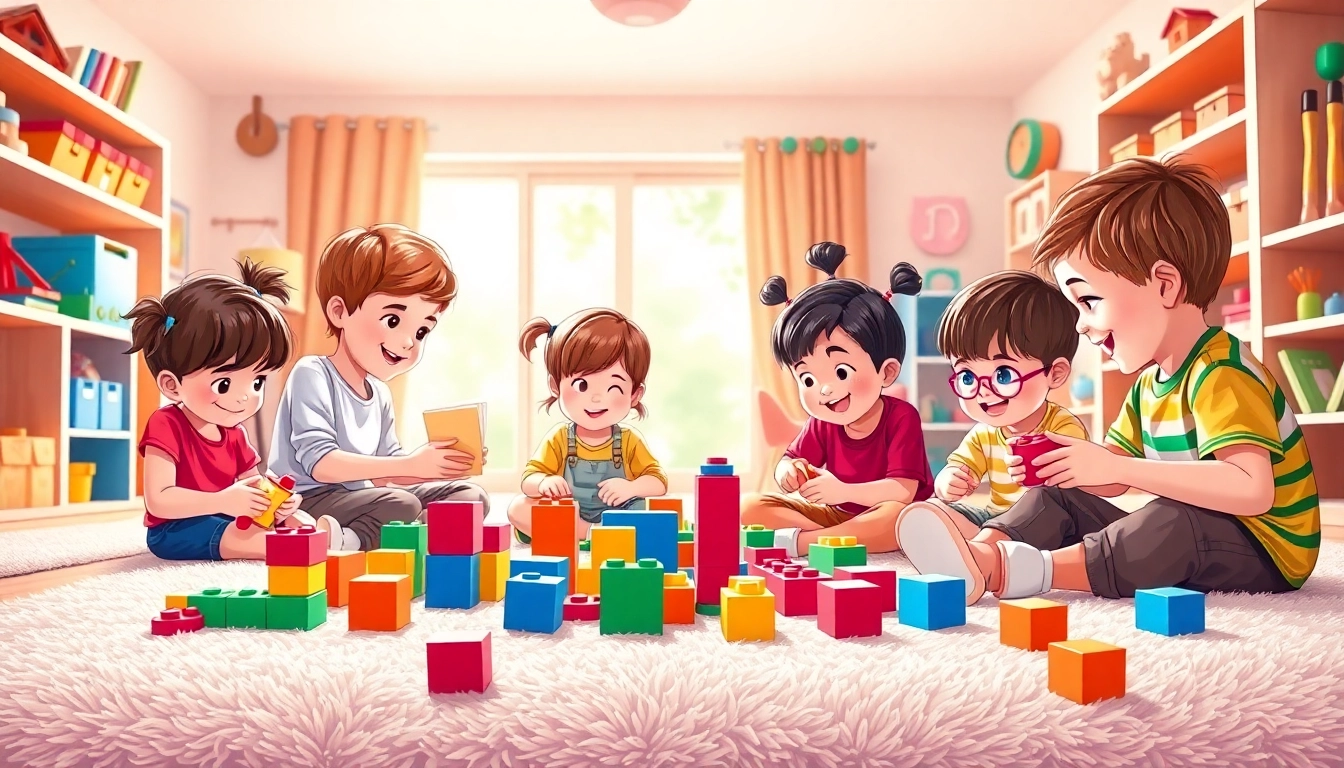
Establishing a designated play area at home encourages children to engage in imaginative play freely. This space can be flexible and should include various toys, art supplies, and comfortable seating, allowing your child to explore different types of play comfortably.
Balancing Screen Time with Toy Play
Finding a healthy balance between screen time and toy play is crucial. Set clear boundaries on digital device use and promote playtime as an alternative. Encouraging activities like board games or building projects can lure children away from screens, fostering deeper engagement in creative activities.
Encouraging Shared Playtime
Fostering opportunities for shared play is vital for developing social skills. Organize playdates or family game nights, allowing children to engage in cooperative play. Through these interactions, they will learn valuable interpersonal skills like communication, teamwork, and empathy.
FAQs About Screen-Free Toys
What age group benefits most from screen-free toys?
Screen-free toys are beneficial for all ages, but especially for toddlers and preschoolers, as they enhance creativity and cognitive skills.
Can screen-free toys improve social skills?
Yes, they encourage collaboration and communication when children play together, fostering essential social skills.
How do I choose the best toys for my child?
Select toys based on your child's interests, age, and developmental stage, ensuring they are safe and engaging.
What are the benefits of hands-on play?
Hands-on play promotes fine motor skills, critical thinking, and imaginative play, all vital for child development.
How can I motivate my child to play without screens?
Set a dedicated playtime, create an inviting play space, and lead by example, engaging in play alongside them.
For more ideas and recommendations on screen-free toys, visit the website.