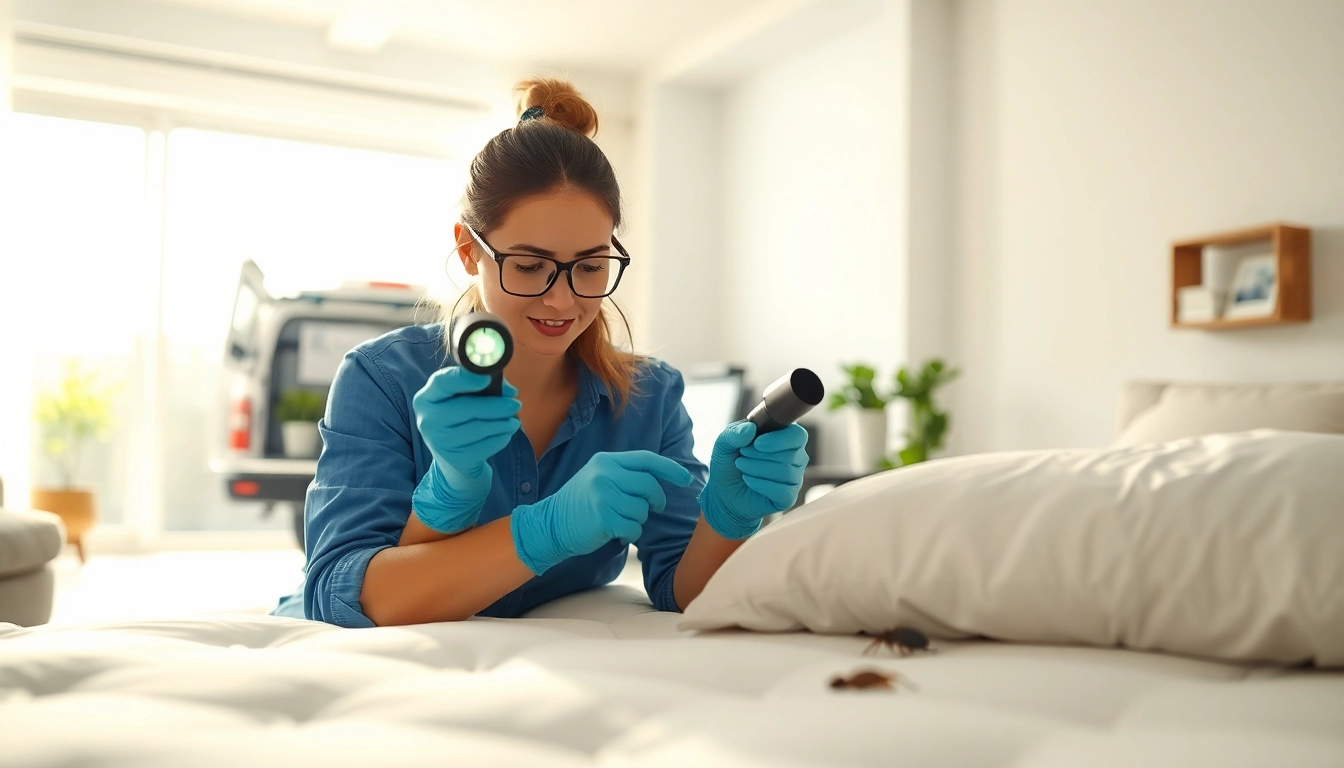
Understanding Bed Bugs and Their Impact
What are Bed Bugs?
Bed bugs are small, wingless insects belonging to the family Cimicidae, primarily found in human residences. Adult bed bugs typically range from 1 to 5 millimeters in length and can vary in color from light brown to reddish-brown. They are nocturnal parasites that feed on human blood, which can lead to discomfort, sleep disturbances, and allergic reactions in the individuals they infest. Given their ability to reproduce rapidly, a minor infestation can quickly escalate into a significant problem, making effective pest control solutions critical.
Signs of Infestation
Identifying an infestation sooner rather than later can mitigate the impact of these pests. Common signs include:
- Bitten Skin: Small, itchy welts on the skin are primary indicators of bed bug activity.
- Bloodstains: Tiny red stains may appear on sheets or mattresses from crushed bed bugs during sleep.
- Fecal Spots: Dark, dot-like excretions can often be discovered on bed linens and surrounding surfaces.
- Eggs and Shells: Shed skins and tiny, white eggs may also be found in seams of mattresses or furniture.
Common Misconceptions
Many people hold misconceptions concerning bed bugs. For instance, some believe that they are exclusively found in dirty environments; however, they can inflict even the cleanest of homes. Others think that bed bugs only live in beds; while they are commonly found in such areas, they can also inhabit couches, backpacks, and even public transport.
The Role of Bed Bug Exterminators
Why Hire Bed Bug Exterminators?
Homeowners often wonder if they should attempt to manage a bed bug problem independently; however, bed bug exterminators are adept at accurately identifying infestations and applying effective elimination strategies. Certain infestations may be more challenging than they appear, and professionals can utilize advanced techniques and technologies that are generally not available to the average homeowner.
Inspection Processes Followed
A thorough inspection is critical for effective extermination. Trained exterminators follow a systematic approach which includes:
- Visual Inspection: Conducting a careful examination of sleeping areas, furniture, and other potential hideouts.
- Use of Detection Tools: Employing heat sensors, trained dogs, or specialized light to ensure no bed bugs go undetected.
- Assessment of Potential Sources: Identifying travel habits, recent purchases, and other factors that may have introduced bed bugs into the home.
Methods Used for Extermination
Professional exterminators utilize a variety of methods to eradicate bed bugs:
- Chemical Treatment: Applying insecticides specifically designed for bed bugs to key identified areas.
- Heat Treatment: Using high temperature to eliminate all life stages of bed bugs, including eggs.
- Integrated Pest Management (IPM): Combining methods for a more holistic approach, including biological controls and habitat modification.
Choosing the Right Bed Bug Exterminators
Key Factors to Consider
When searching for bed bug exterminators, consider the following:
- Experience: Choose exterminators with a proven track record of successfully treating bed bug infestations.
- Certifications: Verify if the professionals possess necessary certifications and are licensed.
- Reputation: Gather feedback from previous customers; positive reviews often reflect a reliable service.
Questions to Ask Potential Exterminators
Before entrusting a pest control service, ensure to ask them the following:
- What methods do you use for bed bug treatment?
- How long will the treatment process take?
- What follow-up procedures do you provide?
- Do you have references or reviews from past clients?
Understanding Treatment Plans
It's essential for homeowners to understand what the treatment plan entails. An effective treatment plan should include:
- Pre-treatment Guidelines: Homeowners may need to prepare their home in specific ways to maximize effectiveness.
- Expected Timeline: Clear communication about how long the entire extermination process will take.
- Post-treatment Evaluation: Ensuring follow-up visits occur to assess the effectiveness of the treatment.
Preparing Your Home for Treatment
Steps to Take Before Extermination
Preparing your home before the extermination process can significantly enhance the effectiveness of treatment. Key steps include:
- Decluttering: Remove clutter around bedrooms; it reduces hiding spots for bed bugs.
- Laundering: Wash all bedding, curtains, and clothing in hot water and dry on high heat.
- Vacuuming: Thoroughly vacuum carpets and upholstery to remove bed bugs and eggs.
Post-Treatment Care and Precautions
Once treatment is completed, homeowners should adhere to post-care guidelines to avoid re-infestation:
- Monitoring: Check for any signs of bed bugs continually after treatment.
- Maintenance Cleaning: Regularly vacuum and clean to eliminate any potential returning pests.
- Avoiding Second-Hand Items: Exercise caution when bringing new items into the home, particularly from unknown sources.
Long-term Prevention Techniques
Preventing bed bug re-infestations involves adopting some proactive measures:
- Inspections: Regularly inspect your home, especially after traveling or guests.
- Encasements: Use protective coverings on mattresses and box springs designed to prevent bed bug access.
- Educating Yourself: Stay informed about new bed bug treatments and prevention strategies.
Frequently Asked Questions about Bed Bug Exterminators
How effective are professional treatments?
Professional treatments are typically highly effective, especially when exterminators utilize integrated pest management principles alongside chemical treatments.
What's the average cost of extermination?
The average cost for bed bug extermination can range from $300 to $1,500, depending on factors like the severity of the infestation and the methods used.
How long does it take to see results?
Results can often be seen within days after treatment, although complete eradication may require follow-ups for a few weeks.
Can I treat bed bugs myself?
While DIY treatments exist, professional services are usually recommended as bed bugs are notoriously resilient and may require expert techniques.
How can I prevent future infestations?
Preventative measures include regular inspections, maintaining cleanliness, and being cautious with second-hand items to mitigate the risk of re-infestation.