Understanding DPF Regeneration
The diesel particulate filter (DPF) is crucial for modern diesel engines, capturing harmful particulate emissions to reduce pollution. However, over time, these filters can become clogged with soot, necessitating a process known as dpf regeneration. This process ensures that the DPF continues to function efficiently, preventing potential engine issues and maintaining compliance with environmental regulations. Understanding this process is essential for both vehicle owners and automotive professionals.
What is DPF Regeneration?
DPF regeneration is a procedure designed to clean the diesel particulate filter by burning off accumulated soot that has collected in the filter. This process can occur automatically without driver intervention (passive regeneration) or might require active management (active regeneration) under specific operating conditions. Understanding how and when these processes occur can significantly impact the performance and longevity of diesel engines.
The Importance of DPF Maintenance
Regular maintenance of the DPF is essential to ensure optimal vehicle performance and emissions compliance. Neglecting the DPF can lead to increased fuel consumption, diminished engine performance, and costly repairs. Ensuring that the DPF is functioning efficiently not only prolongs the vehicle's life but also helps in reducing overall emissions, contributing to a cleaner environment.
Types of DPF Regeneration Processes
There are primarily two types of DPF regeneration processes: passive and active. Passive regeneration occurs during normal driving conditions when the exhaust temperatures are high enough to burn off the soot without any additional input from the vehicle’s systems. In contrast, active regeneration requires the vehicle to inject additional fuel into the exhaust stream to raise the temperature and facilitate the burning of soot, typically during idling or specific driving conditions.
The DPF Regeneration Process Explained
Passive vs. Active Regeneration
Passive regeneration is the ideal scenario, as it reduces soot buildup naturally during normal driving. However, it may not happen frequently enough in stop-and-go driving conditions. On the other hand, active regeneration requires intervention either through user action or automatic systems to ensure the DPF does not clog. Understanding the differences between these processes helps in diagnosing potential DPF-related issues early.
Manual Regeneration Techniques
In certain situations, the DPF may require manual regeneration. This can be initiated using a diagnostic tool or through specific vehicle functions. It is essential for technicians to understand how to execute this process correctly, as improper regeneration can cause further damage to the DPF or the engine. Regular training and familiarity with the vehicle's system are crucial for effective maintenance.
When and How to Perform DPF Regeneration
DPF regeneration should be performed when the filter becomes clogged, indicated by warning lights on the dashboard or diminished engine performance. Understanding the symptoms that necessitate regeneration and the appropriate steps to take can prevent more significant mechanical failures and costly repairs down the line.
Challenges in DPF Regeneration
Common Issues and Symptoms of DPF Problems
Common issues that can arise with DPFs include filter blockage, excessive fuel consumption, and poor engine performance. Symptoms may include the DPF warning light activation, reduced power, and increased exhaust temperatures. Recognizing these signs early can help in addressing underlying problems effectively.
Myths and Misconceptions about DPF Regeneration
Many vehicle owners have misconceptions about DPF regeneration, such as the belief that the filtering system is maintenance-free or that regeneration is a simple process. These myths can lead to neglect and result in significant engine damage. Education on the actual workings of the DPF system is vital for preserving vehicle health.
Preventative Measures for Optimal DPF Performance
To maintain optimal DPF performance, regular driving patterns that promote passive regeneration are recommended. Additionally, using quality fuel and ensuring that the engine is properly maintained can help in preventing the DPF from clogging. Regular diagnostics and professional inspections are also beneficial.
Tools and Technologies for DPF Regeneration
Essential Equipment for Effective DPF Cleaning
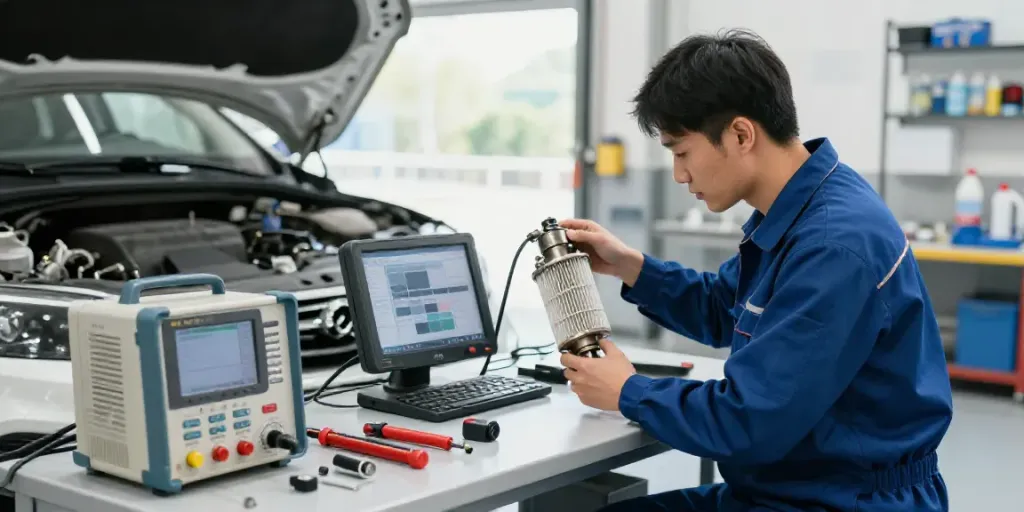
Effective DPF cleaning requires specialized equipment such as diagnostic tools, pressure gauges, and cleaning fluids. Understanding how to utilize this equipment can significantly enhance the effectiveness of DPF maintenance practices.
Innovative Solutions for DPF Maintenance
Recent advancements in technology have introduced innovative solutions for DPF maintenance, such as automated cleaning systems and mobile diagnostics apps. These solutions not only streamline the regeneration process but also improve accuracy and efficiency.
Performance Metrics for DPF Regeneration Success
Success in DPF regeneration can be measured through various performance metrics, including exhaust emissions levels, fuel efficiency, and DPF pressure differentials. Regularly monitoring these indicators can ensure that the DPF functions optimally and complies with environmental regulations.
Future Trends in DPF Technology
Emerging Technologies in DPF Regeneration
As diesel technology evolves, new regenerative technologies are being developed. Innovations such as advanced materials for DPF construction, enhanced fuel additives, and real-time monitoring systems are on the horizon. These advancements promise to improve the efficiency and effectiveness of DPF systems.
Impact of Legislative Changes on DPF Regulations
Legislative changes are continually shaping the landscape of DPF regulations. Complying with these changes is essential for manufacturers and vehicle owners alike. Staying informed about new regulations can lead to improved vehicle performance and reduced environmental impact.
The Future of Diesel Engines and DPF Maintenance
The future of diesel engines is heavily intertwined with DPF maintenance. As emissions standards become more stringent, the need for effective DPF regeneration and maintenance will grow. Therefore, understanding the implications of these changes is critical for automotive professionals and vehicle owners.
How to Regenerate Your DPF?
To regenerate your DPF, start by checking the vehicle's manual for specific instructions. In many cases, initiating regeneration can be as simple as driving at highway speeds for a period of time or using a diagnostic tool to trigger the regeneration process. Always ensure that your vehicle is in good condition before attempting any manual regeneration.
Can I Drive During DPF Regeneration?
In most cases, it is safe to drive during active DPF regeneration. However, you should avoid unnecessary stop-and-go driving, as this can interrupt the process and prevent proper cleaning of the filter. Understanding the regeneration cycle can help you manage your driving habits accordingly.
Can You Unblock a DPF Yourself?
Unblocking a DPF yourself is possible, but it requires specific knowledge and tools. Techniques such as forced regeneration using a diagnostic tool can be effective. However, if you lack the experience, it is advisable to seek professional assistance to prevent damage to the DPF or engine.
How Long Should DPF Regen Take?
The duration of DPF regeneration can vary based on the method used and the level of blockage in the filter. On average, active regeneration may take between 10 to 30 minutes. However, if the DPF is severely clogged, it may require longer or a more intensive cleaning method.