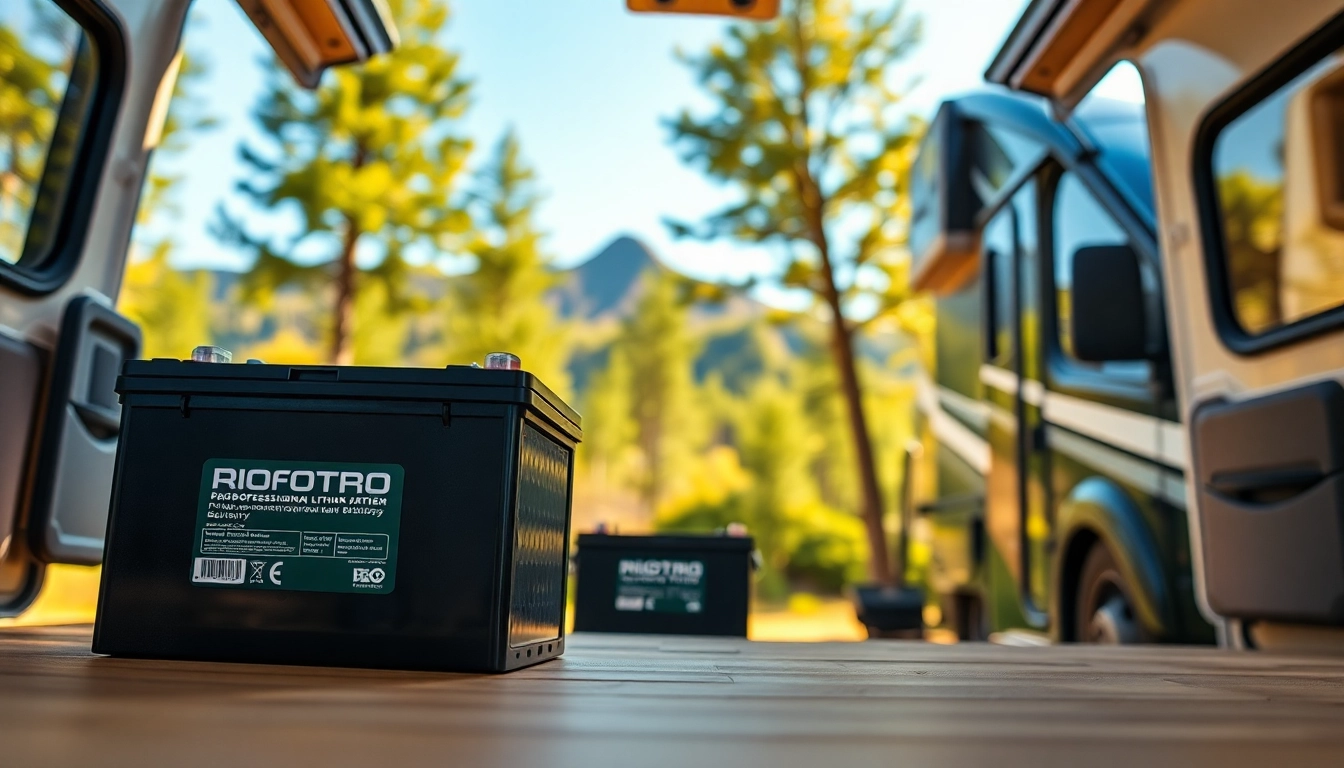
Understanding Lithium RV Batteries
What are Lithium RV Batteries?
Lithium RV batteries are advanced energy storage solutions tailored for recreational vehicles. These batteries utilize lithium-ion technology, specifically lithium iron phosphate (LiFePO4) chemistry, making them lighter and more efficient compared to traditional lead-acid batteries. Since they discharge at a lower rate and have higher energy densities, they are becoming the preferred choice for off-grid travelers seeking reliable power solutions. In essence, lithium RV batteries provide a powerful and durable means of storing energy, allowing RVers to enjoy amenities like refrigeration, lighting, and electronics without the limitations often posed by conventional batteries. As the outdoor adventure scene continues to grow, integrating lithium RV batteries into your toolkit becomes increasingly invaluable.
Benefits of Lithium RV Batteries
Transitioning to lithium RV batteries brings numerous advantages:
- Longer Lifespan: With proper care, lithium RV batteries can last over a decade, outperforming the 3-5 years typical for lead-acid solutions.
- Higher Energy Density: These batteries store more energy in a smaller footprint, enabling longer trips without the need for recharging.
- Weight Savings: Lithium batteries are significantly lighter, which contributes to improved fuel efficiency and easier handling.
- Fast Charging: They can be charged at a higher rate, reducing downtime during travel.
- Low Self-Discharge Rate: They lose significantly less charge when not in use, ensuring more energy is available when you need it.
How Lithium RV Batteries Compare to Other Types
When assessing battery options for RV usage, it is crucial to compare them against lead-acid and AGM batteries: FeatureLithium RV BatteriesLead-Acid BatteriesAGM BatteriesLifespan10+ Years3-5 Years5-7 YearsWeight (100 Ah)30-35 lbs60-70 lbs40-50 lbsCharging SpeedFast ChargingSlow ChargingMedium ChargingSelf-Discharge RateLow (~1-2% per month)Medium (~5-7% per month)Low (~1-3% per month)CostHigher Upfront CostLower Upfront CostMedium Upfront Cost While Vatrer Power lithium RV batteries have a higher initial cost, their longevity and performance advantages often lead to better savings over time when considering replacement costs and energy efficiency.
Key Features of Lithium RV Batteries
Capacity and Cycle Life
The capacity of lithium RV batteries is measured in amp-hours (Ah), with common options ranging from 100 Ah to 400 Ah. This indicates the amount of energy they can store and subsequently deliver. Moreover, lithium batteries typically offer more cycles (over 5000) compared to lead-acid counterparts (around 300-500), making them a wiser long-term investment. For RV users, choosing adequate capacity is essential. A higher capacity means more energy for appliances—ideal for extended trips or if multiple devices must be powered simultaneously.
Weight and Size Considerations
Unlike traditional batteries, lithium RV batteries are relatively lightweight and compact. The reduction in weight can profoundly affect an RV's handling and overall fuel efficiency. This advantage allows RV owners to carry more equipment or supplies without exceeding weight limits, enhancing their travel experience. Furthermore, their compact design helps in simplifying installations, especially in tight spaces commonly found in RV configurations.
Safety Features and Technology
Safety is paramount when selecting any battery type. Lithium batteries are equipped with Battery Management Systems (BMS) that monitor temperature, charge levels, and performance, ensuring optimal operation while preventing overcharging and battery fires. These advanced features markedly enhance the safety profile of lithium RV batteries compared to older battery types. Moreover, these batteries do not contain harmful materials, making them a safer environmental choice as they can be disposed of responsibly at the end of their life cycle.
Choosing the Best Lithium RV Batteries
Factors to Consider Before Buying
When selecting lithium RV batteries, an informed decision hinges on understanding several key factors:
- Voltage Requirements: Ensure compatibility with your existing RV electrical system, typically either 12V or 24V.
- Capacity: Calculate your average energy usage to determine the necessary capacity for your trips.
- Warranty: Look for batteries with a lengthy warranty that reflects the manufacturer's confidence in their product.
- Brand Reputation: Research customer reviews and expert endorsements to gauge reliability and performance.
Finding the Right Capacity for Your RV
Capacity calculation involves assessing your electrical usage. Begin by listing all electrical devices you plan to use regularly:
- Refrigerator
- Lighting
- Electronics (e.g., tablets, laptops)
- Water pumps
Next, determine the wattage of each device and how many hours they will be used daily. Sum this to get total daily watt-hours and divide by the battery voltage to find the required amp-hours. Always consider purchasing a battery with a capacity exceeding this requirement to allow for efficiency losses and other unexpected needs.
Top Brands and Models in the Market
While the market offers a plethora of options, certain brands stand out for their reliability and performance. It’s recommended to look into customer reviews, safety ratings, and warranty details when making your selection. Popular choices among RV enthusiasts include models with high cycle life, robust BMS, and ease of installation. Research current market trends to compare specifications and prices efficiently.
Installing Lithium RV Batteries
Installation Tools and Essentials
Installing lithium RV batteries involves a handful of essential tools and components:
- Wrenches: For cable connections
- Screwdrivers: To secure battery mounts
- Wire Cutters/Strippers: For preparing wire lengths
- Insulation Tape: To secure connections
- Voltage Meter: To test connections and battery levels
Step-by-Step Installation Guide
- Turn Off the Power: Ensure all power is disconnected before starting.
- Remove Existing Batteries: Carefully unplug and remove old batteries.
- Connect the New Battery: Using appropriate cables, connect the positive terminal first, followed by the negative.
- Secure the Battery: Ensure the battery is firmly installed in its designated space.
- Test the Connections: Double-check connections and use a voltage meter to ensure everything is functioning correctly.
Common Installation Mistakes to Avoid
Improper installation can lead 12V 300Ah Lithium Battery to performance issues or safety hazards. Avoiding these common mistakes can save you time and resources:
- Neglecting Compatibility: Ensure your battery matches the required voltage and type for your RV.
- Loose Connections: Always tighten connections fully to prevent arcing or malfunction.
- Overlooking Safety: Follow safety guidelines, and use protective gear while handling batteries.
Maintaining Your Lithium RV Batteries
Proper Charging Techniques
Charging your lithium RV batteries properly is crucial for longevity. Use a compatible charger that supports lithium battery charging profiles. Avoid overcharging and ensure that the charger can manage the battery's typical charge cycle. Caution must be exercised regarding temperature, as charging at extreme temperatures can degrade battery life. Always consult the manufacturer's guidelines for optimal charging practices.
Monitoring Battery Health
Regularly monitor your lithium RV battery's health using a battery management system. This technology will alert you to any irregularities in voltage, temperature, or capacity. Keeping an eye on your battery's performance can drastically extend its lifespan and help preempt failures
Extending Battery Life
To maximize your lithium RV battery's lifespan, consider these tips:
- Charge regularly to maintain capacity.
- Store batteries in a cool, dry place when not in use.
- Avoid deep discharges, ideally keeping the charge above 20%.
- Perform regular maintenance checks for connections and terminals.
FAQs
Are lithium batteries worth it for an RV?
Absolutely! Despite the higher initial cost, their long lifespan, greater efficiency, and lower weight often lead to long-term savings and enhanced RV experiences.
How long does a lithium RV battery last?
On average, lithium RV batteries can last 10 years or more with proper maintenance compared to shorter lifespans of lead-acid alternatives.
Can lithium RV batteries be charged with solar?
Yes, lithium RV batteries can be charged with solar energy, making them an excellent choice for off-grid living. Ensure your solar charger is compatible with lithium technology.
How do I know if my lithium battery is healthy?
Regularly monitor voltage and capacity using a battery management system. Signs of trouble include unusual drops in voltage or failure to hold charge.
How many lithium batteries do I need for my RV?
The number of batteries needed depends on your power usage. Assess your daily energy requirements, then calculate the total capacity needed to sustain your needs.